CONSERVATION
THROUGH
PARTNERSHIPS
CONSERVATION
THROUGH DESIGN
CONSERVATION ON
WORKING LANDS
CONSERVATION ON
PUBLIC LANDS
CONSERVATION FOR
ENERGY
DEVELOPMENT



Habitat Conservation that Benefits People
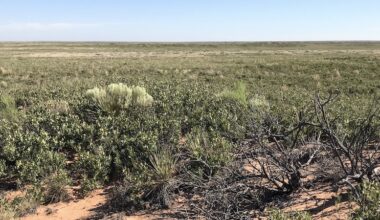
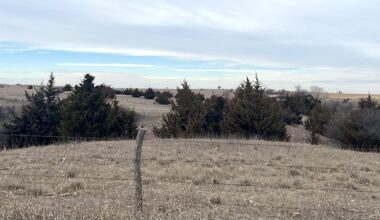
Our purpose is to find solutions to address habitat conservation challenges in the western Great Plains so that birds and other wildlife, agricultural producers, and local communities all prosper and thrive in this landscape.

BIRD DATA
We collect information about bird species, and the habitats they use, to inform habitat goals and evaluate conservation strategies. LEARN MORE >>

PLANNING TOOLS
Our Implementation Plan and other tools guide the partnership’s conservation strategies and develop projects to meet our habitat goals. LEARN MORE >>

HABITAT WORK
We help partners and producers do habitat conservation work by providing science-based information, funding, and other resources. LEARN MORE >>
Why Playas Are Important
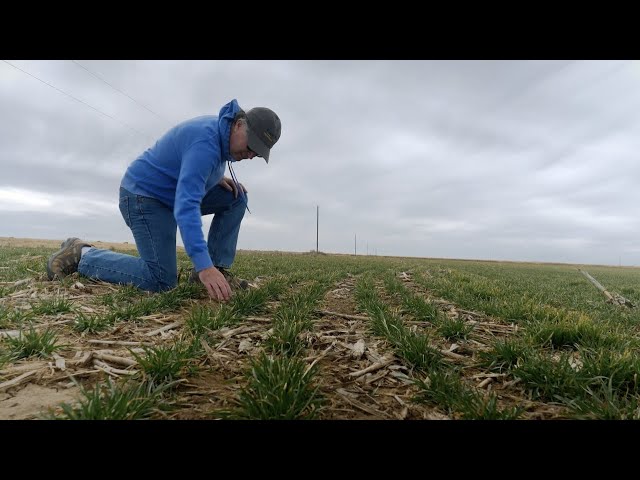
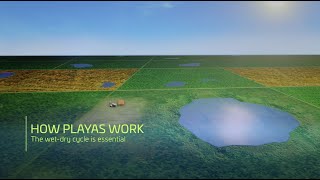
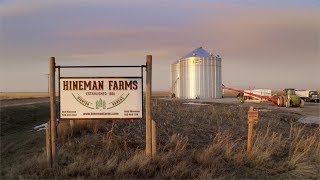
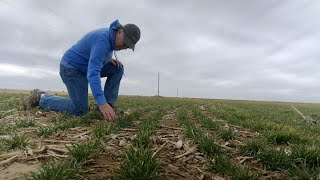
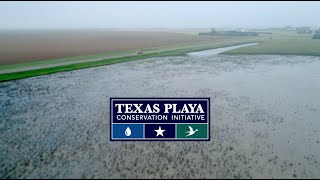
Learn why agricultural producers and rural communities are restoring and preserving their playas. These videos feature farmers, ranchers, and community members talking about the benefits they receive by enrolling their playas in conservation programs — from financial returns, hunting habitat, and groundwater recharge to preserving history and leaving a legacy for future generations.